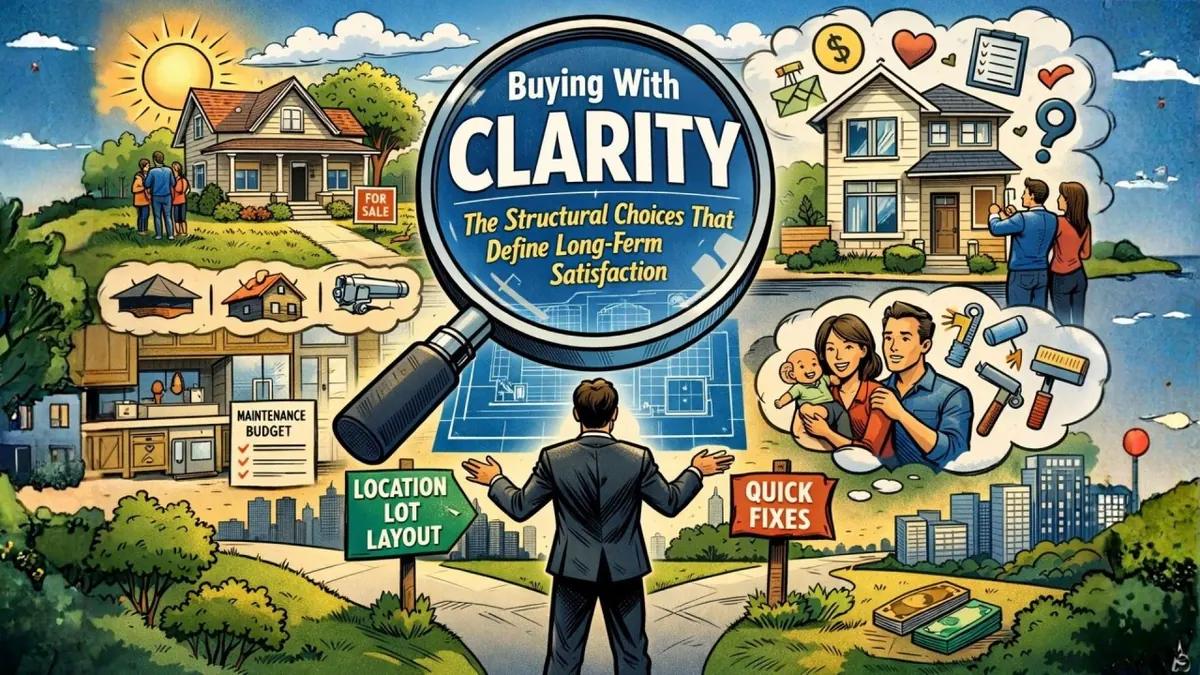
How Status Quo Bias Shapes Your Real Estate Decisions


By Mudit Mehta, Broker/Owner – Elixir Real Estate, Mississauga
We like what’s familiar. But when it comes to real estate — that comfort can quietly limit our potential.
Over the years, I’ve had the privilege of advising hundreds of families and investors through some of their biggest financial decisions — buying a first home, moving up, or building a rental portfolio. And again and again, I’ve observed something fascinating:
"We’re not always as rational as we think. Especially when it comes to where we choose to buy."
Let me explain.
🔁 The Psychology of Location Fixation
Have you noticed how often people want to buy a home right where they’ve already been living — even if there are better options elsewhere?
Whether someone has rented in Brampton, lived in a condo in downtown Toronto, or owned a starter home in Ajax, they often want to stay put — or at most, shift a few kilometres.
Why?
Because our brains crave familiarity. This is a cognitive bias called the "status quo bias." It makes us overvalue what we already know and undervalue what we don’t — simply because change feels uncertain.
🔍 How Bias Creeps into Property Decisions
Emotional attachment to neighbourhoods where we’ve rented for just 1–2 years
Inertia that keeps families from exploring objectively better towns or property types
Overlooking growth opportunities in favour of comfort and convenience
This is not just anecdotal — behavioral science backs it up:
People perceive familiar choices as less risky, even when unfamiliar ones offer greater value
Once we establish routines (e.g. grocery stores, parks, commutes), we resist disrupting them
Confirmation bias filters information to reinforce our comfort zone — "this is the best area because I’ve lived here"
💡 In Real Estate Choose Strategy, Not Sentiment
Real estate is often the biggest investment you'll ever make — yet most people approach it emotionally. This becomes especially limiting when:
A family looking to move up won’t even consider homes 15–20 minutes away, even when they’re a better fit financially, logistically, or personally.
A condo-dweller avoids low-rise options despite needing more space for a growing family.
Investors restrict their rental search to their own backyard — missing out on high-yield properties just a few exits down the highway.

🏙️ Property Type Bias: Condos vs. Low-Rise
Location isn't the only mental trap. The type of home you’re used to can also create friction. Clients who’ve spent years in downtown condos often find the idea of a semi or townhouse “too quiet” or “too much upkeep.” But those very same clients light up when they see the space, backyard, layout, or home office potential of a low-rise.

🧭 A Smarter Framework for Real Estate Decisions
If you’re buying for your own living, start by asking:
What are my family’s actual lifestyle needs for the next 5–10 years?
Which towns or pockets align with my budget + lifestyle goals, even if they’re new to me?
Am I judging areas byfacts (schools, commute, safety) — or just by familiarity?
🧠 If you're Investor: Stop Thinking Local
Many first-time investors think, “I should buy rental property near me so I can check in.” But real estate isn’t babysitting — it’s a business.
If you’re buying for investment, ask yourself:
Am I overly limiting myself to what I already know?
Does this area have strong rental demand, job growth, and upside potential — regardless of whether it’s close to me?
Am I letting "I want to be nearby" override metrics like ROI, vacancy rates, or tenant demand?
In both cases, objectivity wins. Being open to new towns, property types, and locations allows you to stretch your dollar further and create more equity over time.
🌱 Growth Lives Outside the Comfort Zone
As a real estate advisor, I see the difference it makes when clients break free from"location loyalty" and property type bias, it opens up fresh possibilities.
Some of the highest-performing investments and most satisfying family moves I’ve seen have come from this shift — from emotional to strategic decision-making. Real estate isn’t just about square footage or school zones — it’s about mindset.
So next time you're thinking of buying, selling, or investing, pause and ask:
“Am I making the best decision for my goals — or just the most familiar one?”
🏡 Final Thought
At Elixir Real Estate, we believe real estate advice should challenge assumptions — not just confirm them. If you’re exploring your next move and want a truly objective perspective, reach out. We’ll help you zoom out, think bigger, and move smarter.
If you're planning a move or just curious about what options lie outside your comfort zone, let’s chat. Message me here or visit ElixirRealEstate.ca to start a conversation.
🖊️ About the Author
Mudit Mehta is the Broker and Owner of Elixir Real Estate, a boutique real estate brokerage based in Mississauga, Ontario. With over a decade of experience guiding families and investors through high-stakes decisions across the GTA, Mudit blends market intelligence with a consultative approach that puts client clarity first. Based in Mississauga, he specializes in guiding clients across the GTA to make confident, future-focused decisions.