The Ownership Bias: When "My Home" Clouds Market Logic

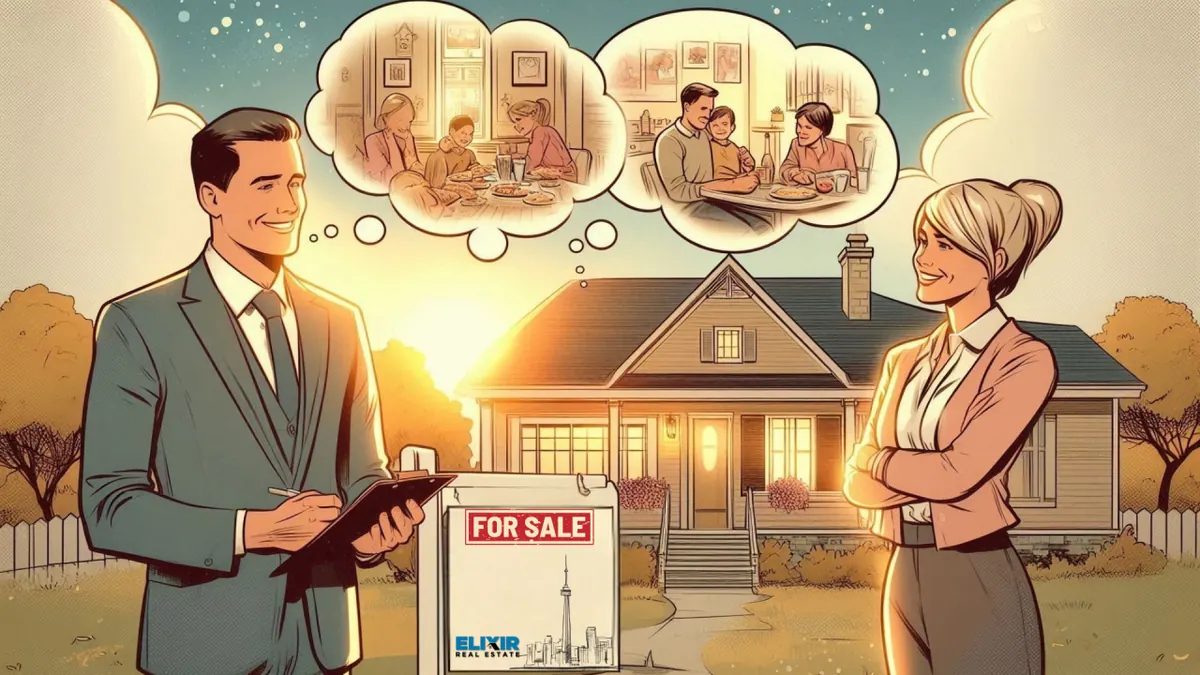
Every home carries a story. And for most sellers, the walls don’t just hold frame & bricks — they hold birthdays, career milestones, and the rhythm of everyday life.
So when it’s time to sell, it’s completely natural to see your home not as a product on shelf — but as a piece of your life.
A couple of years ago, I met a lovely family in their semi-detached home. We sat in the living room — a cozy space, maybe 14 by 9 feet — and as they described the kitchen upgrades and the German hardwood floors, their eyes lit up. Every word carried pride and warmth. The way they spoke about that living room, the growing up of their kids, and the memories it held was deeply moving — more emotional than analytical, more heart than square footage.
That’s precisely where ownership bias begins.
💭 The Invisible Bias Behind Every Listing
Ownership bias is a quiet psychological trap — the tendency to overvalue something simply because we own it.
Why It Happens We don’t just live in our homes — we attach our identity to them. They become symbols of effort, stability, and belonging. So when it’s time to sell, we’re not just putting a property on the market — we’re, in a way, putting a piece of our story up for judgment.
Psychologists call this the endowment effect — once something becomes ours, we instinctively assign it more value simply because it’s part of who we are.
It’s why most homeowners feel their property “should be worth more” than the market suggests. After all, you know every corner, every upgrade, every late-night repair, and the sweat equity that went into making it beautiful. You remember what it looked like before you made it yours.
But here’s the truth most sellers eventually discover — the market doesn’t see your memories; it sees only measurements.
🔎 How Ownership Bias Shows Up in Real Life
It’s something I see almost every other week:
• A seller insists on pricing higher because their foyer and kitchen tiles were “imported from Italy” during the 2019 renovation. • Another refuses to repaint bold red walls to a neutral finish, reasoning that “they give the home character.” • A homeowner dismisses negative feedback, convinced that “buyers just don’t appreciate quality anymore.”
None of these reactions come from arrogance — they come from attachment. The same emotion that turns a house into a home can quietly make it harder to sell.
What’s fascinating is that even Realtors aren’t immune to it. When it’s their own property, all logic often goes out the window. It never stops surprising me — but it perfectly shows how powerful this bias can be.That’s why understanding this bias isn’t just psychology — it’s strategy.

🏠 The Emotional Premium We All Add
I’ve sat at countless kitchen tables where sellers say,
“But we put in hardwood floors… we upgraded all the appliances and light fixtures… the neighbours an year ago sold for this much…”
Each of those statements comes from pride — not greed. It’s the pride of someone who has cared deeply for their home.
But emotion adds a premium that the market doesn’t always recognize. Buyers notice finishes, not feelings. They see space and layout flow, not stories.
And when that gap widens between what the home means to the seller and what it means to the market, frustration sets in.

📊 The Market Has No Memory — And That’s What Keeps It Honest
Markets don’t care how long you lived there, how tough it was to get that mortgage approved, or how you finished the basement yourself — even if you hired the best flooring company to do the entire two floors in engineered hardwood.
What they care about are comparables, flow of layou, lot outlook, timing, and demand. The commendable part of real estate is that it’s objective — and the danger of ownership bias is that it makes us forget that.
The moment we let sentiment dictate strategy, we shift from data to emotion — and that can cost weeks of time and thousands of dollars in perceived value within the buyer community.
🪞 Learning to Detach
Detaching from your home isn’t about caring less — it’s about shifting perspective.
One exercise I often suggest to my seller clients: before you list, walk through your home as if you were a buyer seeing it for the first time. What catches your eye? What feels dated or worn? What would you change if this wasn’t your home?
This small shift helps sellers move from living in the home to selling it — a critical mindset change that separates emotion from economics.
Once you can see your space that way, you start making clearer, calmer decisions — and that’s when strategy begins to work in your favor.
🔍 How to See Your Home the Way Buyers Will
Here’s what helps my clients recalibrate perspective:
1. Revisit the Original Goal. Are you selling to start a new chapter, reduce stress, or unlock equity? Focusing on the why grounds every decision in reason instead of reaction.
2. Ask for Honest Feedback. Invite feedback from someone who has no emotional stake — your Realtor, or even a friend who can see your home with fresh, neutral eyes.
3. Price to Attract, Not to Convince. The right price invites competition. The wrong price, on the other hand, requires justification. The market rewards strategy, not sentiment.
4. Detach with Gratitude. Selling a home isn’t about letting go — it’s about passing forward something that served you well. That small shift in mindset changes everything.
💡 A Simple Thought That Changes Outcomes
The best sellers I’ve met treat their home not as their masterpiece, but as their moment. They know its value isn’t defined by what it meant yesterday, but by what it represents today — opportunity, liquidity, and movement.
When you can see your home through the buyer’s eyes — without losing the pride in your own — that’s when strategy and sentiment finally find balance.
A home’s worth isn’t just in the memories it holds, but in the freedom it can unlock. And when emotion and data stand together — not against each other — the result is always a sale that feels right and complete, both in your heart and in your numbers.
If this perspective resonated with you, feel free to share your thoughts below — or pass it along to someone planning to sell soon. Sometimes a calm perspective is worth more than another open house.