
The Untold Story of Real Estate's Overlooked Bias: Age.

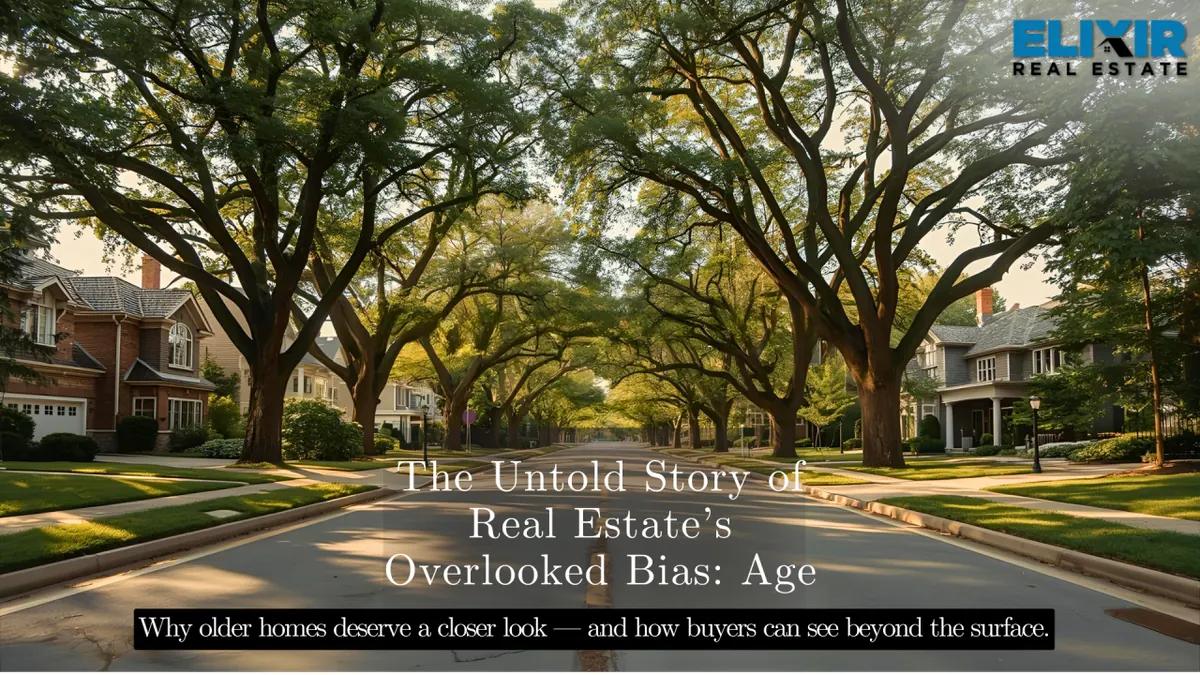
If you’ve been house-hunting across Mississauga, Oakville, Milton, or Burlington, you’ve probably felt it — that quiet bias toward “newer.” Buyers see a fresh façade and assume it means low maintenance, better appreciation, smarter buy. Meanwhile, great older homes sit unnoticed — dismissed over myths that they’ll require constant repairs or won’t rise in value.
Here’s the truth more buyers in the GTA need to hear: age is a factor, but it’s rarely the deciding factor. If the neighbourhood is strong and the lot outlook and layout fit your lifestyle, an older property can quietly outperform a newer one — both in comfort and long-term value.
What newer homes can’t easily replicate
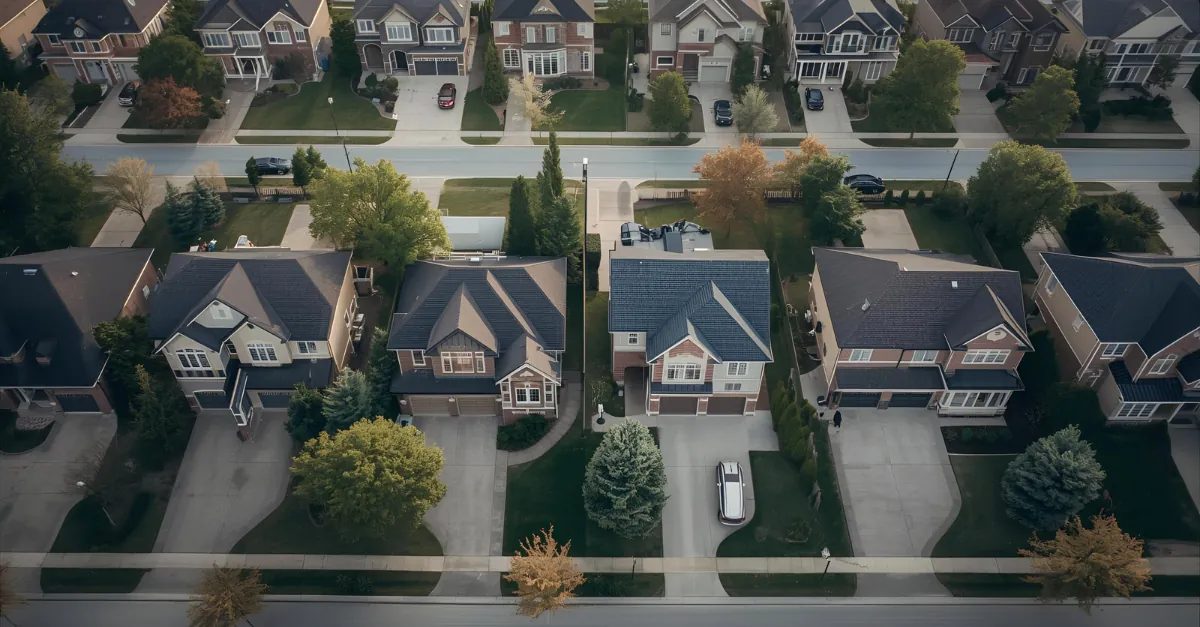
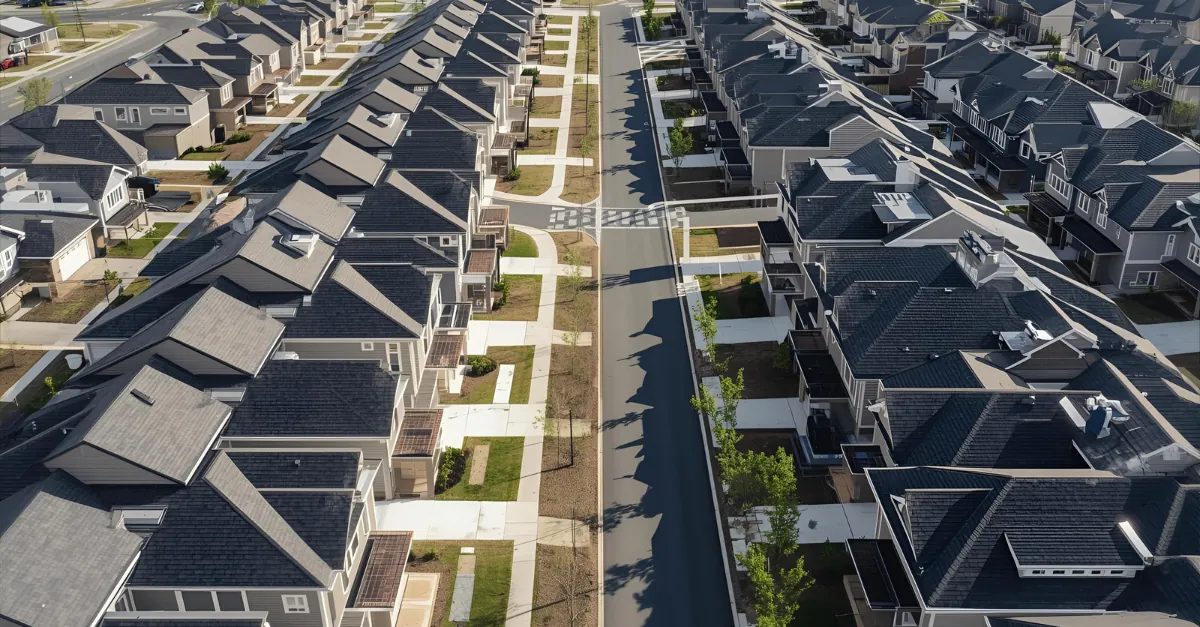
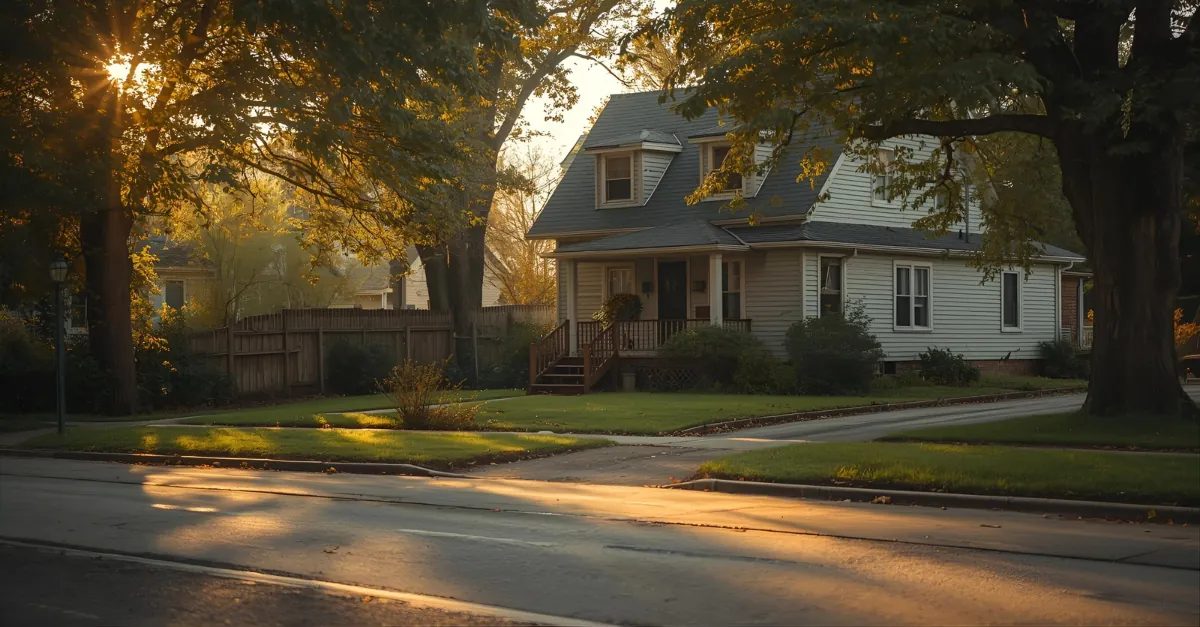
Lot width, backyard depth, and breathing room. Many established communities — think Mineola, Lorne Park, Bronte, Eastlake, or Shoreacres — were planned with wider frontages, larger backyards, and generous side yards. That space translates into sunlight, privacy, parking, and day-to-day comfort you can’t replicate in today’s tighter subdivisions. In newer communities, builders design with density in mind — aiming to create as many lots as the city’s zoning will allow.
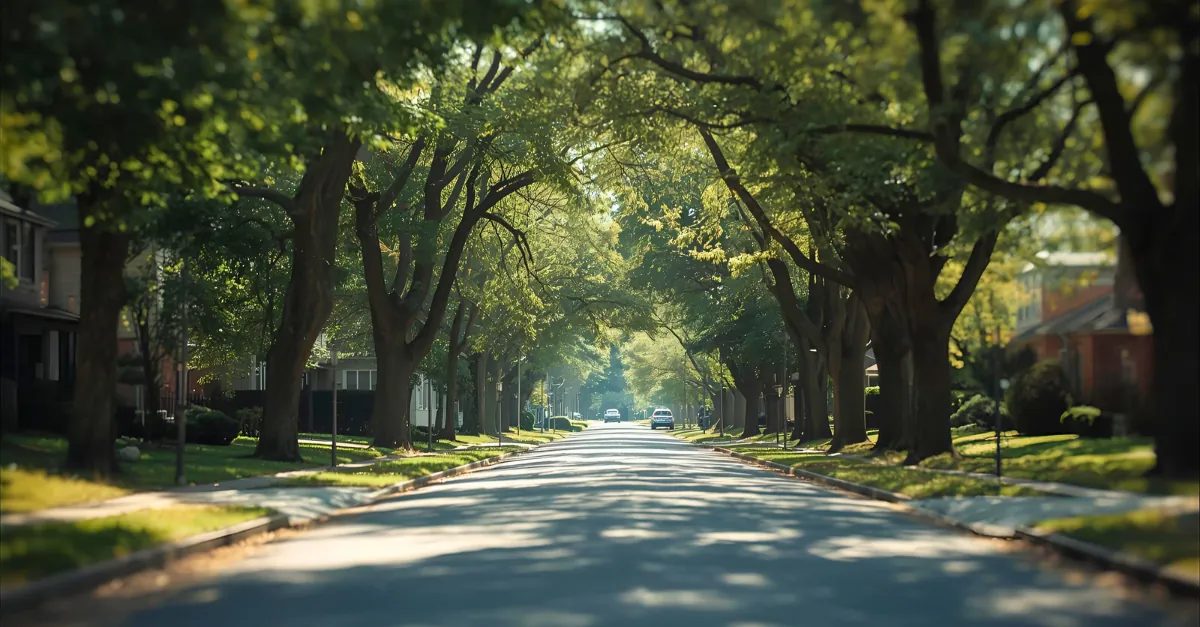
Mature trees and street character. A mature tree canopy does more than add beauty — it adds value. Studies consistently show that streets lined with established trees command higher property values and create a deeper sense of wellbeing.
Stable, “finished” neighbourhoods. The schools, parks, and retail amenities are already proven. You’re not betting on what might come — you’re buying into what already works.
Property Style & Function. Newer townhomes are often designed to maximize floor area on smaller lots, leading to the rise of the three-storey format here in the GTA. On paper, a builder may advertise 1,800 to 2,000 sq. ft. above grade — but that space is spread across three narrow levels. Functionally, it’s a home of more stairs than flow.
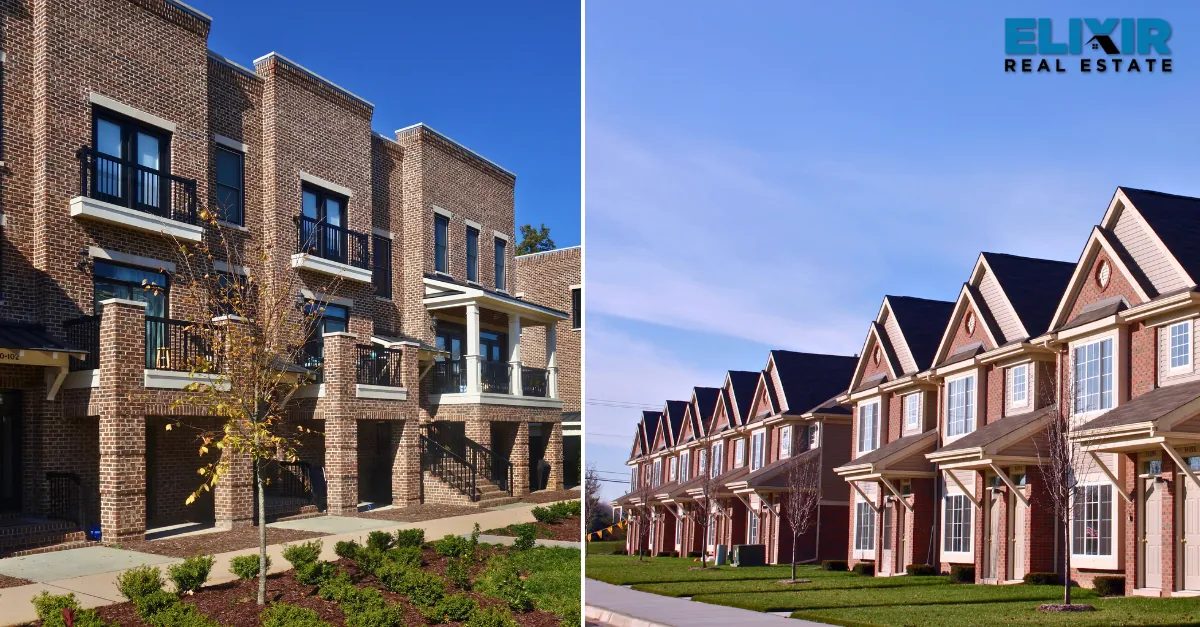
To make it clear lets consider two offerings both coming at a similar entry price - a 2006-built, two-storey townhome with 1,800 sq. ft. on a 22-ft-wide lot often offers far better usability than a brand-new three-storey, 2,000 sq. ft. unit on a 19-ft lot. The difference is felt in room proportions, natural light, backyard space, and livability — where older layouts were designed for comfort, not just square footage on paper.
“But won’t an older house bleed me on maintenance?”
Let’s separate myth from math. There are really just three big systems that matter most in our climate:
Roof shingles (last 20-30 years)
Windows (last 15-30 years)
Furnace - (last 15-20 years)
Everything else — flooring, paint, stairs, kitchens, bath vanities, electric fixtures — is aesthetic and optional. If two of the above are nearing end-of-life, you don’t walk away — you price them in the negotiation and phase your upgrades. These are predictable expenses.
💧 The Plumbing Question: Facts vs Fear
Whenever we discuss older homes, this one always surfaces — “But what about the plumbing?”
It’s a fair concern, but it deserves perspective. If a home is 60–70 years old, you may find:
Galvanized steel pipes (they were common in 1950s–60s builds)
Copper plumbing (typical in properties built from the 1970s–90s)
Or modern PEX/CPVC (used in more recent developments)
Here's what that really means for you,
Galvanized steel: Over time, these pipes corrode from the inside, slowly restricting water flow and increasing the chance of leaks. If they’re present, it’s not a crisis — just a cue to plan a phased replacement in the years ahead.
Copper lines: Exceptionally durable, many have been performing perfectly for 50 years or more. Minor oxidation or the occasional pinhole leak is normal and easily managed.
PEX systems: The modern standard — flexible, efficient, and built to last. Ideal for long-term reliability and easier maintenance.
If a home delivers strong pressure, clean flow, and no visible leaks, the plumbing is functionally sound. Anything beyond that is a matter of modernization and preference — not an emergency.
As for cost, a complete repipe of a typical GTA detached home generally falls between $12,000 and $18,000, depending on the home’s size and access points. And here’s the key — if you’re already renovating or finishing a basement, tackling it then can lower the cost by 20–30%, since walls and ceilings are already open.
So, don’t let “old plumbing” scare you off. Inspect it. Understand it. Price it in. That’s how informed buyers make confident decisions — and often end up with homes that offer better bones, larger lots, and longer-lasting value.
Appreciation isn’t about the birth year — it’s about the postal code
A home’s appreciation curve has far more to do with location quality, lot utility, and neighbourhood planning than the year on the permit. Legacy lots in mature areas are becoming scarce assets as zoning shifts toward intensification in newer subdivisions. Scarcity drives desirability — and desirability sustains value.
A smarter way to evaluate older homes
Start with the street, then the site, then the structure. Look at canopy, traffic flow in the street, sunlight exposure, and lot privacy — before you even step inside.
Focus on the big three. These are the only true capital systems that matter. Everything else is taste and timing.
Use due diligence to your advantage. Knowing what’s upcoming lets you negotiate price intelligently and plan upgrades with precision.
The bottom line
If the neighbourhood is great, school zone is good, the lot out works, and the structure is sound, don’t dismiss a home because of its age. Buy with clarity and intention. Understand what truly affects long-term value — and what’s just cosmetic noise.
Sometimes, the best investment isn’t the newest house — it’s the one built on better location, better streets, and better foresight.
If you’re navigating a buying or selling decision and want clarity on how these factors apply to your situation, I’d be happy to offer perspective. Helping GTA families move forward with clarity, confidence, and care — that’s what we do every day at Elixir.