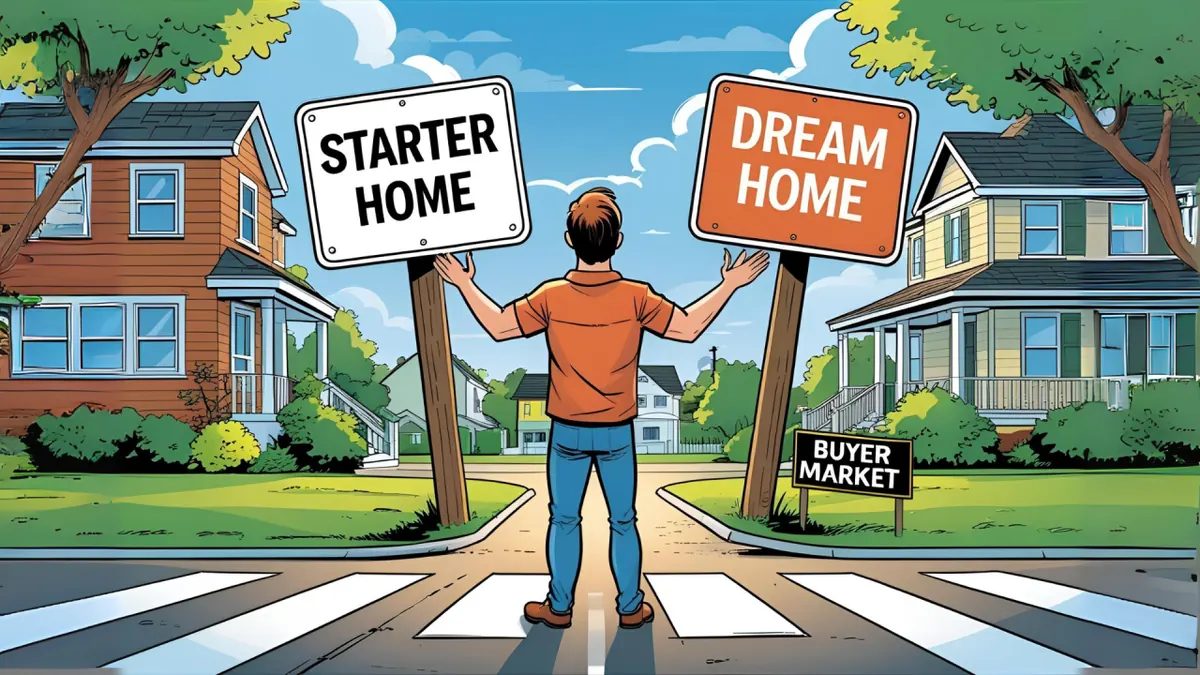
Location Often Wins — But It Isn't Always the Right Answer

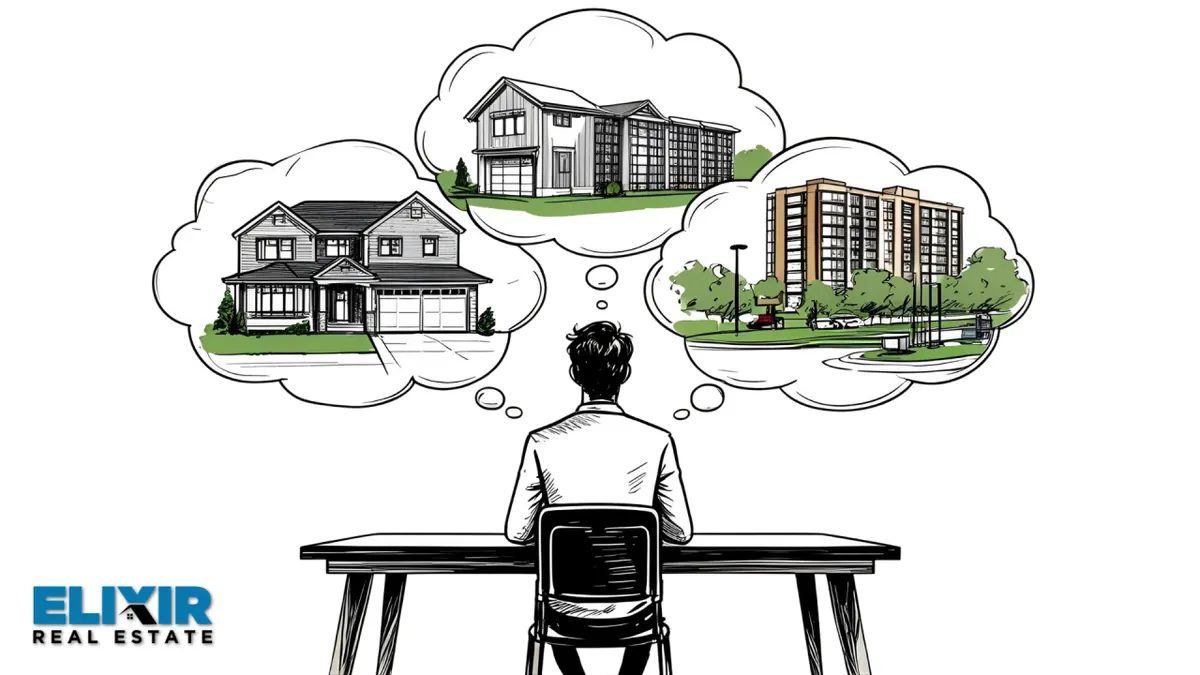
In Greater Toronto real estate, one question comes up again and again — and it’s rarely an easy one:
“Should we buy a bigger home… or buy in a better location?”
After over a decade of guiding buyers and investors across Mississauga, Oakville, Brampton, Toronto, and beyond, I’ve learned that this decision isn’t just about square footage or postal codes.
It’s about how people want to live — and what they want their future to look like.
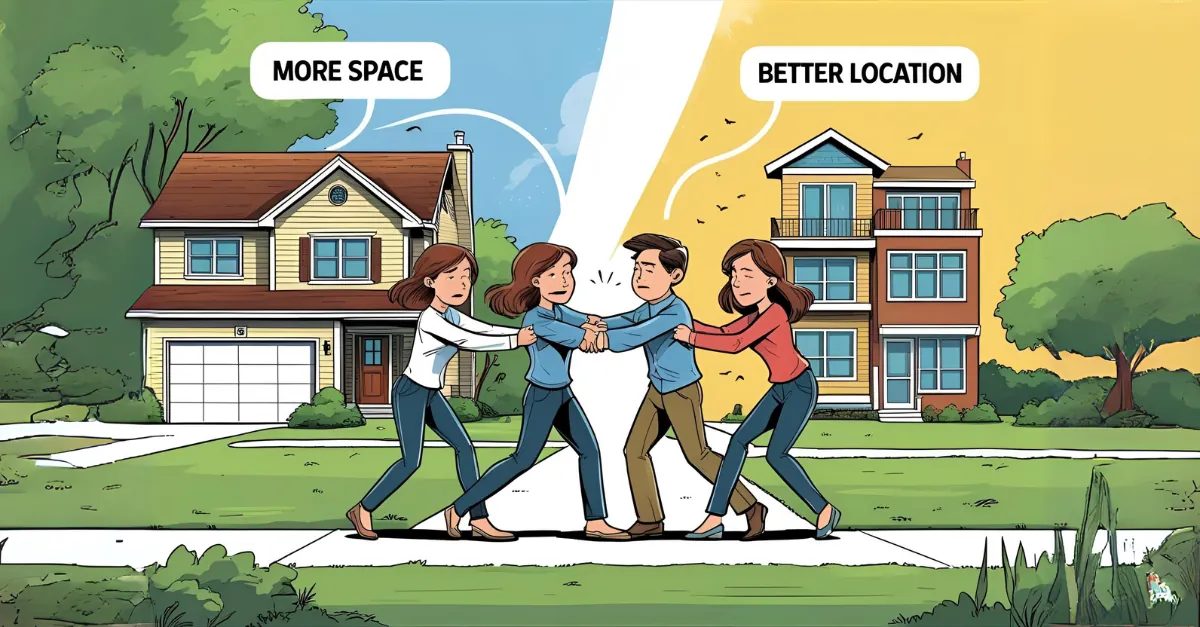
It’s a decision that shapes not only your lifestyle, but also your wealth-building journey. While there's no one-size-fits-all answer, understanding what’s truly at stake can make your next move far more strategic - and future proof.
Let’s explore why location often wins… and when it might not, and understand the insight that helps buyers make not just good, but great decisions.
📍 Location: The Invisible Hand That Drives Value
There’s a reason the real estate world chants “location, location, location.” not just here in Canada, but globally.
When you purchase a home, you’re also investing in everything that comes with it: the neighbourhood surroundings, local amenities, highway access, commuter-friendly transit, lower property taxes, well-maintained parks and trail networks, quality recreational facilities, lower crime rate, healthcare facilities, and often, better employment opportunities. The list goes on.
The property itself is just one part of the equation — the location often defines your lifestyle, your peace of mind, and the long-term value of your investment.
Here’s why it matters in the GTA:
1. Land is Scarce — Especially in Core Areas
Cities like Toronto, Oakville, Markham, Richmond Hill, and Mississauga can't expand outward. As population grows, home values in these mature neighbourhoods are driven by simple economics: limited supply, rising demand.
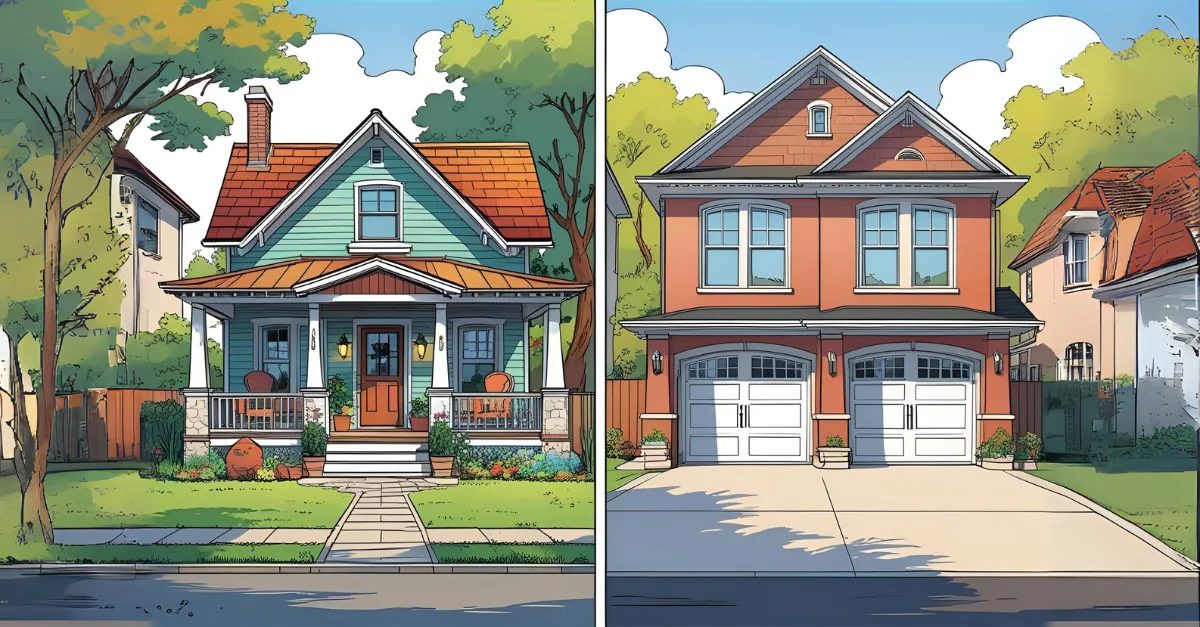
📈 For example in July 2025 a 1,100 sq ft bungalow in the Bronte community of South-West Oakville sells for approximately $1.35M - driven largely by the land value. In contrast, for around $1.4M in Milton, buyers can get a much newer, conventional 2-storey detached home with a double garage, offering between 2,500-3,000 sq ft above ground living space. The takeaway? It's the land, not the structure, that's driving the price in mature, high-demand neighbourhoods.
2. Daily Commute & Family Routine Often Matter more than Walk Score
For most GTA families, walkability isn’t the top priority — predictability is.
A home’s location determines how your day begins and ends:
How far is the school drop-off?
Is there reliable transit or will you be stuck on the 401 for 90 minutes?
Can your kids bike to their friend’s house or the local arena safely?
These are the questions that shape real-life happiness.
While walk scores and café proximity sound nice in listings, what truly matters to most families is how well the location supports their daily flow and reduces friction.
3. Liquidity in All Market Conditions
In times of market slowdown, homes in well-connected, desirable neighbourhoods sell faster, with fewer discounts. You’re not just buying a home — you’re buying a future exit strategy. Desirable locations are the last to see price declines-and the first to rebound when the market begins to recover.
🏠 When Size Truly Matters
Let’s be clear — space is not overrated. For many families specially with growing kids and higher member count, size equals functionality.
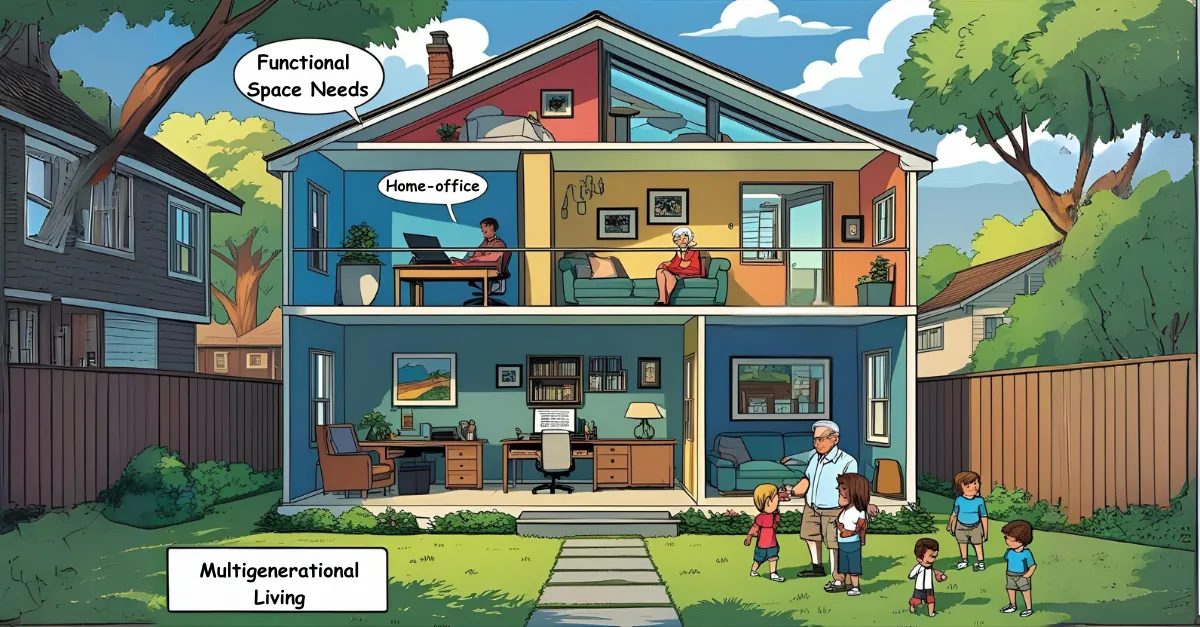
1. Work-from-Home is Now the Norm
Home offices, workout corners, study nooks — they’re no longer luxuries. A 4-bed detached in Milton, Mississauga, or Durham may meet your real, lived-in needs better than a 2-bed condo downtown and that too with budget in-check.
2. Multigenerational Living
More GTA households now include parents, kids, and grandparents under one roof. Space isn’t a want and has in fact become necessity for an extended family.
3. Cost per Square Foot Can’t Be Ignored
It’s natural to compare what your dollar gets you. But here’s the trap: raw space isn’t always usable space. Layout, flow, and functionality matter far more than just square footage.
🌀 The Psychology Behind Location Fixation
What we often call “preference” is really cognitive bias.
🔄 Status quo bias makes us want to stay close to what’s familiar — even if it’s not optimal.
🔒 Anchoring effectis when your mind gets stuck on the first piece of information you see - and you start comparing everything else to it, even if its not relevant.
For example, if you see a $1.2M house in an outer suburb, you feel like you're overpaying for a smaller home in better location - even if smaller home fits better to your life. Your mind keeps "anchored" to the idea of more space for less money, without fully weighing the trade offs.
But what if we reframe the question? Not “What do I get for the money?”
But rather: “What do I gain in quality of life, time, and value resilience?”
🧭 Real-Life Scenarios That Highlight the Trade-Off
A young couple chose a 2-bed condo in Central Erin Mills offering access to top-ranked schools over a larger 3-bed stacked town in Milton. Their priority? Walkability, Accesibility, School zones, and lifestyle fit.
A growing family moved from a downtown condo to a detached home in Whitby. The commute got longer — but the schools improved, they gained a backyard, and the family found more peace of mind.
An investor opted for a smaller bungalow in Oakville instead of a larger detached in Brampton — valuing the tenant profile, stronger appreciation, and a more secure exit strategy.
In each case, the “right” choice came from aligning life goals with location benefits — not just maximizing square footage.
❓ 3 Smart Questions to Ask Before You Choose
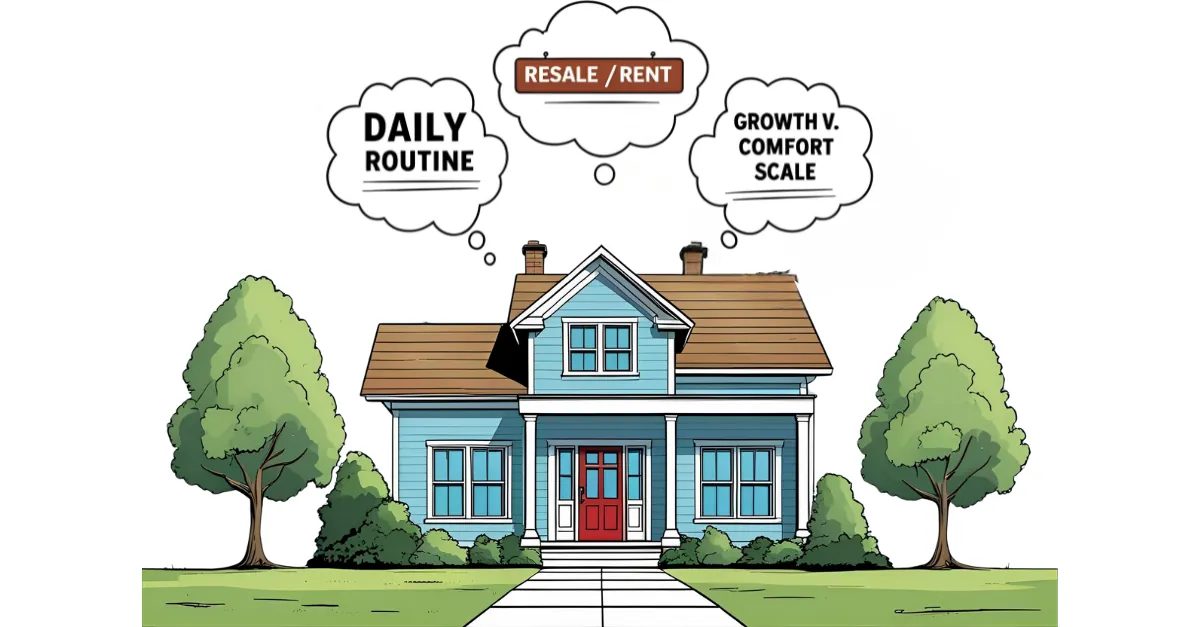
What does my ideal daily routine look like? (Commute, community, convenience)
If my life changes in 3–5 years, which property will be easier to sell or rent?
Am I buying for short-term comfort or long-term growth?
Answering the above three will help make a sound and correct decision, which will reap benefits in both immediate and longer term.
🧭 What I Advise Clients When Facing This Choice
You can renovate, redesign, or expand a home. But you can’t move it closer to a lake, school, amenities, job centre, conveniences, or GO station.
Yes, size matters — but location is permanent. The smart approach is to first define your budget, then evaluate both location and size with that number in mind. Prioritize location where possible, and work within your means to strike the best balance.
Ultimately, the goal is to maximize long-term value and day-to-day livability — not just square footage.
When in doubt, remember:
💎 Smart buyers buy what they can’t change.
💰 Savvy investors buy what others will value tomorrow.
🧭 And wise homeowners buy what improves their life today.
If you’re weighing this decision and want a grounded perspective, I’d be happy to share what I’ve seen work — with real-world insight, not just theory.
📩 Feel free to reach out at mudit@ElixirRealEstate.ca or visit www.ElixirRealEstate.ca — and let’s align your next move with clarity and confidence.