
Lot Outlook: The Quiet Factor Behind Real Estate Winners

Most buyers obsess over price per square foot, number of bedrooms, or whether the kitchen is “updated".
Yet after advising hundreds of GTA families and investors, I’ve seen one factor quietly outperform almost all others over time:
It is Lot outlook.
Not the size of the lot. Not the postal code. But how the lot sits, faces, and interacts with its surroundings. It’s one of the least discussed — and most mispriced — elements in residential real estate.
1. Orientation: Light Is Not Just an Add-On Feature
Lot orientation directly impacts natural light, heating costs, and long-term livability.
In most GTA homes where the regular lot is there with homes on either side:
Windows are concentrated at the front and rear
East and West-facing homes typically receive longer daily light exposure
South‑facing backyards receive sun for most of the day in Canada, creating a brighter, warmer outdoor space that works well for gardens, pools, and patios.
While cultural frameworks like Vastu Shastra or Feng Shui guide preferences for many families, even from a purely practical lens:
Homes with better natural light feel larger, warmer, and emotionally uplifting — which translates into stronger buyer demand during resale.
Light isn’t a belief system. It’s buyer psychology.
2. Busy Roads: Convenience Has a Hidden Cost
Lots fronting arterial or collector roads often appear attractive on paper:
Transit access
Quick connectivity
Sometimes lower pricing
But in real life, buyers underestimate:
Driveway entry friction - everytime you pull out of the driveway, you have to be extra careful for oncoming traffic and wait.
Persistent background noise - it is built-in to such lots, you will become used to the white noise, however, at resale it will have an impact.
Reduced front-yard privacy - due to the busy thoroughfare road.
Safety concerns for children - supervision would always be needed for front yard usage.
The most resilient choice?
Internal streets within walking distance of main roads provide access without intrusion. This is where long-term demand consistently exists, especially among end-users who care about day-to-day livability.
3. T-Junctions: Open Views vs. Livability Trade-Offs
T-junction lots divide opinion.
On one hand:
Open sightlines towards the front facing rooms, specially at the upper level
Clear sky views
No direct home in front
On the other hand:
Headlight glare into living spaces in the dark evening hours
Perceived safety concerns
Polarized buyer pool at the time of resale
These lots aren’t “bad” — but they are niche. And niche properties typically require pricing precision when selling. So, for such lots, weigh the pros and cons with other elements the property has to offer and then take an informed decision.
4. Interior vs. Corner Lots: The Myth of “Bigger Is Better”
Corner lots are wider, brighter, and often marketed as “premium.” The builders charge premium for such lots, as these lots are wider than regular lots as extra rounding curb gets added to the lot frontage. So, if the interior lots are 30 ft regular, the corner lot will be 40 ft plus when it comes to the frontage.
Pros of corner lots:
More windows wrapping around the house
Enhanced light
Larger and wider frontage with extra backyard space
Cons:
Less privacy - being on the corner and specially if the side road is a busier intersection, it takes away the privacy and all shades and blinds would need to be on as soon as it is dark.
Higher maintenance is required due to extra front and side yard space
Greater heating/cooling loss due to the higher number of windows, even with modern windows.
In residential real estate, privacy generally outperforms visibility — which is why interior lots remain the most liquid segment of the market. It shields you from the two sides, and exposes only at the front.
Commercial real estate, of course, flips this logic entirely. In commercial investments, corner lots are always preferred as they provide marketing exposure on two sides, a BIG incentive.
5. Ravine & Green-Space Lots: Where Premiums Are Earned
Ravine, pond, or green-space backing lots consistently command premiums — and for good reason:
Complete Rear privacy - leaves you to enjoy the calm, nature views, and peaceful surroundings at the back.
Noise insulation - the green space at the back provides natural insulation to any highway/road noise.
Emotional connection to nature
Strong resale defensibility - such properties are universal in appeal to the most consumers and they sell smoothly and fast and with a premium.
Being built on a grade, they also generally feature walkout or lookout basements, increasing functional square footage and future income potential.
Buyers feel the difference the moment they walk in to a Ravine Backing property.
6. Park-Facing Lots: Lifestyle Appeal With Nuance
Park-facing or park-backing homes offer:
Open views
Maintained landscapes at the cost of municipality
No rear neighbors when backing to a park.
But they also bring:
Seasonal noise in warmer months
Higher traffic in the area and parking load
These lots tend to appeal strongly to families — but less so to buyers seeking absolute quiet. Again, not good or bad — just buyer-specific.
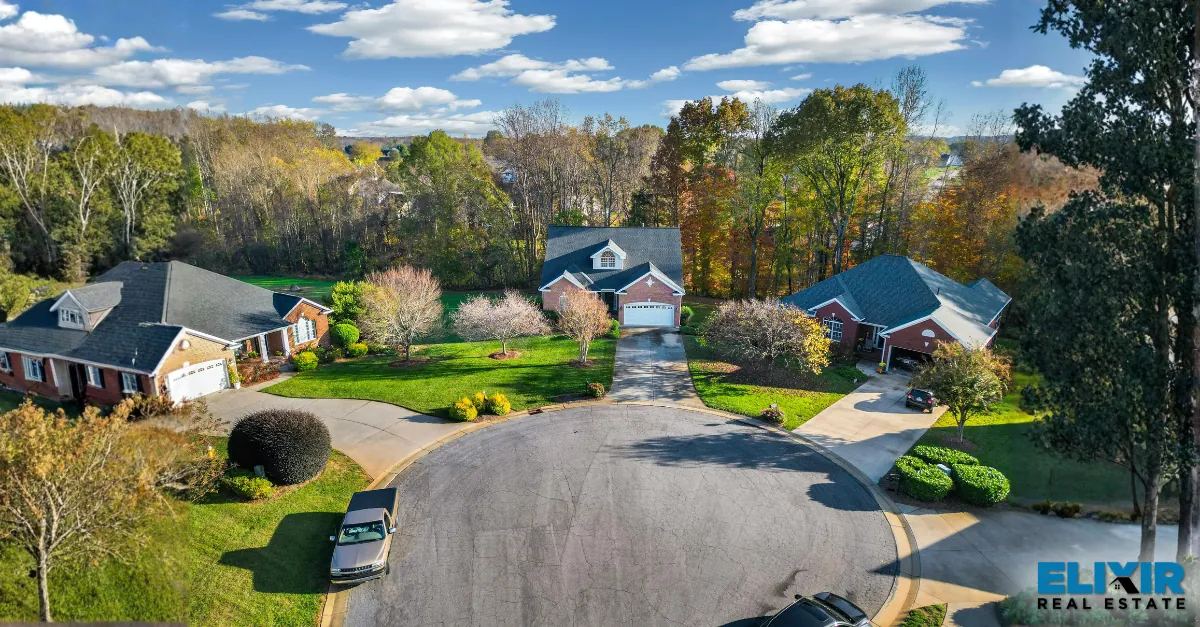
7. Cul-de-Sacs: Safety Over Speed
Cul-de-sac homes quietly outperform in family-oriented neighborhoods because:
Minimal traffic and absolutely no thorough-fare
Safer outdoor play specially for families with young kids
Strong community feel between neighbours
The trade-off?
Slower municipal snow clearing as these are the last roads to be serviced as they want to first clear the major and arterial roads
Reduced visibility and accessibility, which can affect deliveries, guest navigation, and service response times
Yet from a long-term desirability lens, low traffic consistently wins with end-user buyers.
8. Key Lots & Development Potential: Thinking One Step Ahead
Key lots (those positioned behind corner lots or adjacent to multiple rear yards) may lack privacy today — but they often carry future land assembly value.
This matters for:
Long-term investors
Estate planners
Buyers thinking beyond personal use
Most people buy for today. Smart buyers price tomorrow.
9. Residential Next to Commercial: A Boundary Worth Respecting
Homes backing onto commercial plazas—especially food, retail, or other high-traffic uses—rarely age well in value terms.Real estate consistently rewards like-with-like environments.
Homes surrounded by other residential properties tend to hold demand far better than those bordering mixed-use or commercial areas. The reason is simple: buyers seek lower through-traffic, a stronger sense of community, and the stability that comes with family-oriented neighbourhoods and lower turnover.
The Bigger Insight
Lot outlook doesn’t scream value upfront. It whispers resilience, usability, and solid investment during your ownership.
It quietly shapes our:
Daily living experience
Emotional attachment — the quality of life you enjoy throughout your time in the home
Depth of the buyer pool when it’s time for us to sell and move on
Exit flexibility — faster turnaround times because the lot aligns with conventional buyer preferences
And in uncertain or shifting markets, those qualities matter more than ever.
Final Thought
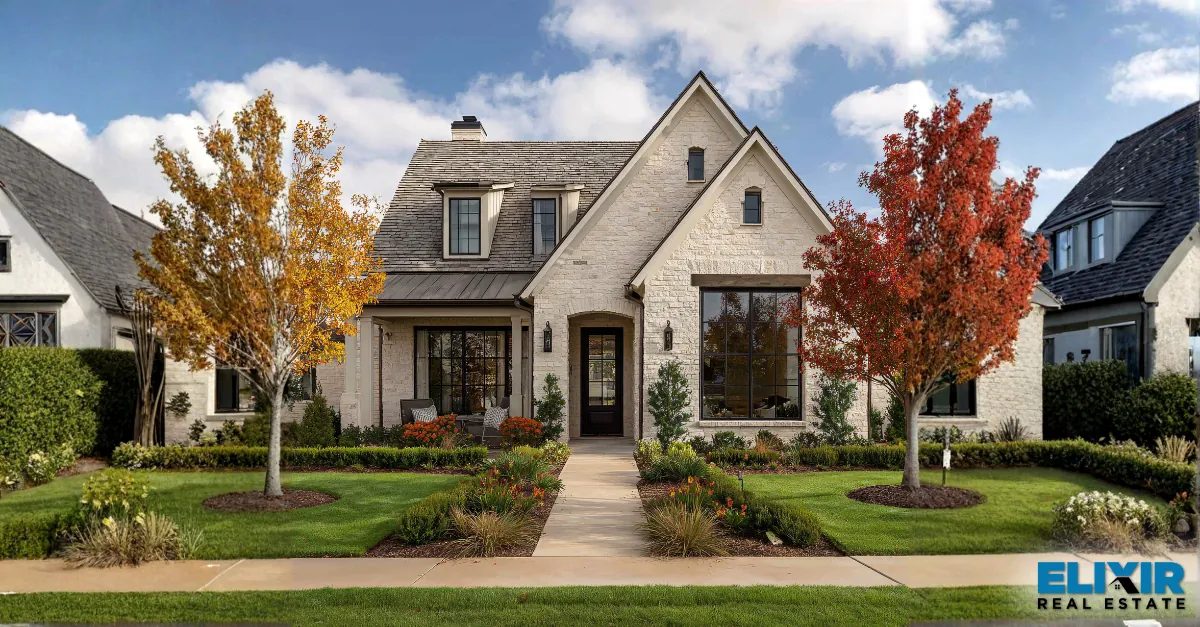
Two homes can be identical in size, layout, and location — yet perform very differently over time.
Often, the difference isn’t visible on the listing sheet. It’s visible from the curb, long before the front door opens. In a follow-up article, I’ll explore how different lot shapes further influence livability and long-term resale outcomes — another often overlooked factor that quietly shapes the performance of a real estate asset.
If you’d like to discuss where today’s real opportunities lie — and how to navigate this evolving market with clarity and confidence — I’m happy to connect.
Wishing you a Merry Christmas and a fulfilling 2026 ahead!